Curious about what water heater replacement really costs in South Florida? Discover the factors influencing the price and make an informed decision today!
Understanding Water Heater Replacement Costs
Replacing a water heater is a significant investment for any homeowner. The costs associated with this project can vary greatly depending on multiple factors. It’s essential to understand what these costs entail to make an informed decision and budget accordingly. A water heater is a crucial component of your home, providing hot water for bathing, cleaning, and cooking. When it fails, replacement becomes an urgent necessity, and knowing the costs involved can help you avoid unexpected financial strain.
The primary cost of water heater replacement includes the price of the new unit and the labor required for installation. However, other factors such as the type of water heater, its size, energy efficiency, and additional features can significantly influence the total expenditure. Homeowners in South Florida need to consider the specific conditions and requirements of their region, which can also affect the overall cost.
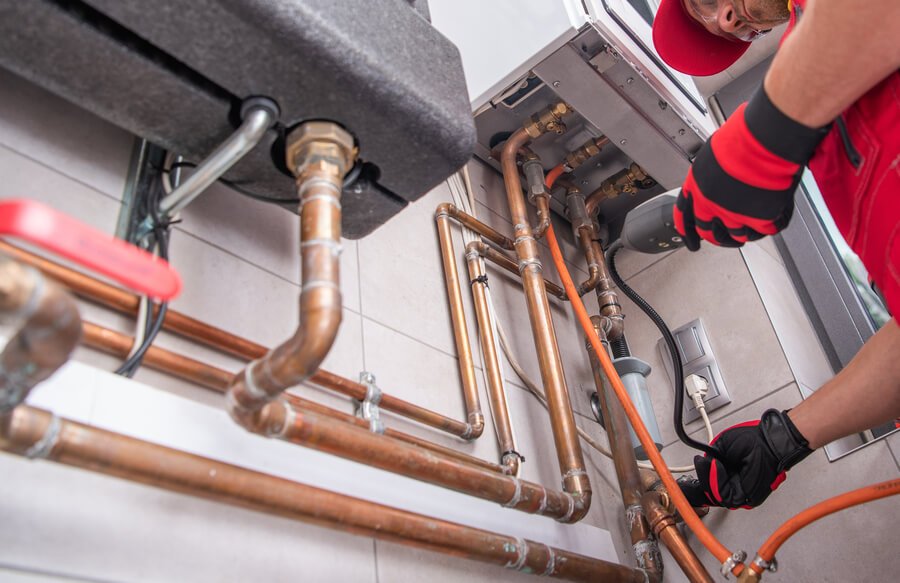
Additionally, there are indirect costs to consider, such as disposal fees for the old unit, potential upgrades to plumbing or electrical systems, and permits that may be required by local regulations. Understanding these costs in detail can help you plan for the replacement and ensure that you choose a water heater that meets your needs without breaking the bank.
Factors Influencing Water Heater Prices in South Florida
Several factors can influence the cost of water heater replacement in South Florida. One of the most significant factors is the type of water heater you choose. Traditional tank water heaters tend to be less expensive than tankless models, but they may not be as energy-efficient. The size of the water heater also plays a crucial role; larger units typically cost more due to their increased capacity and materials.
Another critical factor is the energy efficiency of the unit. High-efficiency water heaters might have a higher upfront cost, but they can save you money in the long run through reduced energy bills. Additionally, units with advanced features such as digital displays, self-cleaning functions, and enhanced safety mechanisms can add to the overall cost but may offer greater convenience and longevity.
Local climate conditions in South Florida can also impact the cost. Water heaters in this region need to withstand high humidity and potential saltwater exposure, which might necessitate more durable and corrosion-resistant models. Moreover, the availability of skilled labor and local market conditions can influence installation costs, with prices varying based on demand and competition among service providers.
Average Cost of Water Heater Replacement in South Florida
On average, the cost of replacing a water heater in South Florida can range from $800 to $3,500. This wide range is due to the various types of water heaters available, their sizes, and the complexity of the installation process. For a standard 40 to 50-gallon tank water heater, you can expect to pay between $800 and $1,500, including installation. Tankless water heaters, which provide hot water on demand, generally cost more, ranging from $1,500 to $3,500.
It’s important to note that these figures are averages and can vary based on specific circumstances. For instance, if your home requires significant modifications to accommodate a new water heater, such as upgrading electrical systems or installing new plumbing, these additional costs can increase the overall price. Likewise, opting for a high-efficiency model with advanced features will also raise the price.
To get a more accurate estimate, it’s advisable to obtain quotes from multiple reputable contractors in your area. They can provide detailed breakdowns of the costs involved and help you understand what you can expect to pay for your specific situation. This will also allow you to compare prices and choose a contractor who offers the best value for your budget.
Types of Water Heaters and Their Cost Implications
There are several types of water heaters available, each with its own cost implications. The most common types include traditional tank water heaters, tankless water heaters, heat pump water heaters, and solar water heaters. Each type has its own advantages and drawbacks, and the right choice will depend on your specific needs and budget.
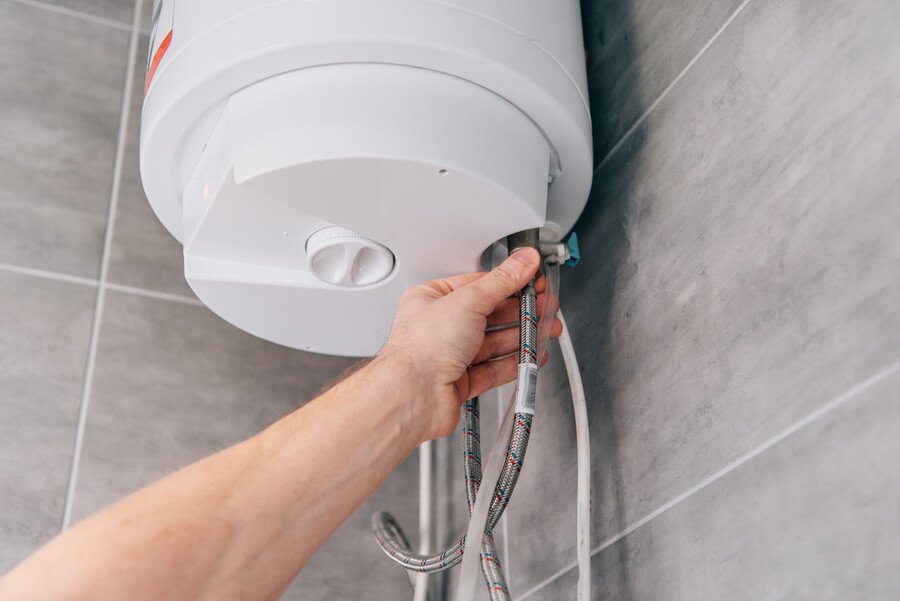
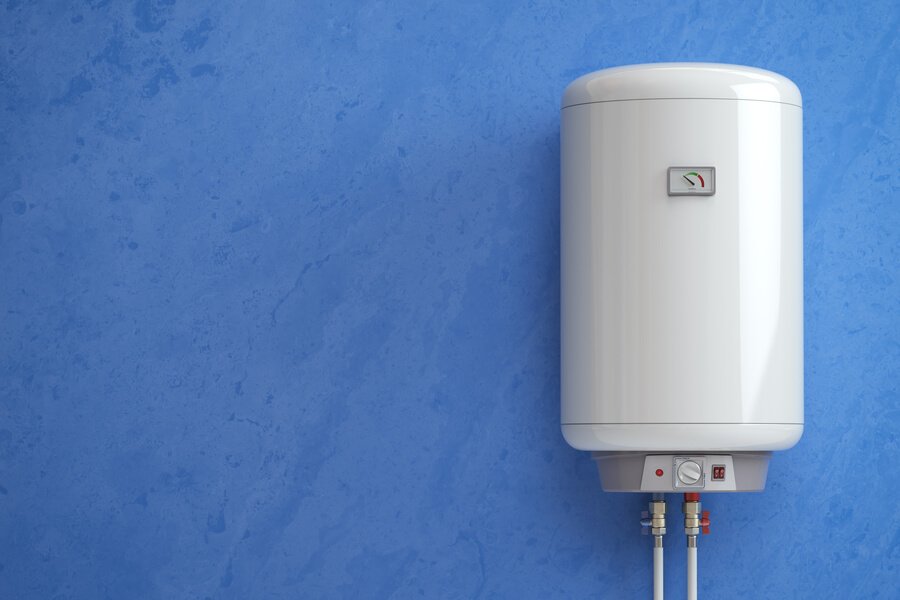
Traditional tank water heaters are the most common and generally the least expensive option. They store a large volume of hot water in a tank and are available in various sizes. While they have a lower upfront cost, they can be less energy-efficient, leading to higher operating costs over time. Tankless water heaters, on the other hand, heat water on demand and do not require a storage tank. They are more energy-efficient and can provide continuous hot water, but they have a higher initial cost and may require more complex installation.
Heat pump water heaters are another option that can be highly efficient. They use electricity to move heat from the air or ground to heat water, making them more energy-efficient than traditional electric water heaters. However, they tend to be more expensive upfront and may not be suitable for all climates. Solar water heaters, which use solar panels to heat water, are the most energy-efficient option and can significantly reduce your energy bills. However, they have the highest initial cost and require sufficient sunlight and space for the solar panels.
Installation Costs: What to Expect
The cost of installing a new water heater can vary significantly based on several factors. On average, installation costs in South Florida range from $500 to $1,200, depending on the complexity of the installation and the type of water heater. Simple replacements, where a new unit is installed in the same location as the old one with minimal modifications, tend to be less expensive. However, if the installation requires significant changes to plumbing, electrical systems, or ventilation, the costs can increase.
Labor costs are a major component of the installation price. Hiring a licensed and experienced plumber is crucial to ensure that the installation is done correctly and safely. The rates for plumbers in South Florida can vary, but you can expect to pay between $75 and $150 per hour. The total labor cost will depend on the time required to complete the installation, which can range from a few hours to a full day, depending on the complexity of the job.
In addition to labor costs, there may be other expenses to consider, such as permits and inspections. Local building codes in South Florida may require permits for water heater installations, and these permits typically cost between $50 and $150. Additionally, some municipalities may require an inspection after the installation to ensure that it meets safety and building code standards. These additional costs should be factored into your overall budget for the project.
Additional Expenses to Consider
When budgeting for a water heater replacement, it’s important to consider additional expenses that may arise. One common additional cost is the disposal of the old water heater. Many contractors include this service in their installation fee, but some may charge an extra fee, typically ranging from $50 to $100. Proper disposal is essential to ensure that the old unit is removed and recycled in an environmentally responsible manner.
Another potential cost is the need for upgrades to your home’s plumbing or electrical systems. If your new water heater has different requirements than your old unit, you may need to install new pipes, upgrade your electrical panel, or add new venting. These upgrades can add several hundred dollars to the total cost of the project. It’s important to discuss these potential needs with your contractor during the initial consultation to avoid unexpected expenses.
Extended warranties and maintenance plans are also worth considering. While these are optional, they can provide peace of mind and protect your investment. Extended warranties typically cost between $50 and $200, depending on the length and coverage. Maintenance plans, which include regular inspections and servicing, can help ensure that your water heater operates efficiently and lasts longer. These plans usually cost between $100 and $300 per year.
Choosing the Right Water Heater for Your Home
Selecting the right water heater for your home involves considering several factors, including your household’s hot water needs, energy efficiency, and budget. Start by assessing your hot water usage. Consider the number of people in your household, the number of bathrooms, and your typical hot water usage patterns. This will help you determine the appropriate size and capacity of the water heater.
Energy efficiency is another crucial factor. While high-efficiency models may have a higher upfront cost, they can save you money in the long run through lower energy bills. Look for water heaters with the ENERGY STAR label, which indicates that they meet strict energy efficiency guidelines set by the U.S. Environmental Protection Agency. Additionally, consider the fuel type—whether it’s electric, natural gas, propane, or solar—as this can impact both the cost and efficiency of the unit.
Finally, consider your budget and the total cost of ownership. While it’s tempting to choose the cheapest option, it’s important to consider the long-term costs, including energy consumption, maintenance, and potential repairs. Investing in a high-quality, energy-efficient water heater can provide better performance and savings over time. Consulting with a professional can help you evaluate your options and choose the best water heater for your needs.
DIY vs. Professional Installation: Cost Analysis
When it comes to water heater replacement, some homeowners may consider a DIY approach to save money. While installing a water heater yourself can reduce labor costs, it’s important to weigh the potential risks and challenges. Water heater installation involves working with plumbing, electrical, and potentially gas connections, which can be complex and hazardous if not done correctly. Mistakes can lead to leaks, water damage, or even fire hazards, resulting in costly repairs and safety risks.
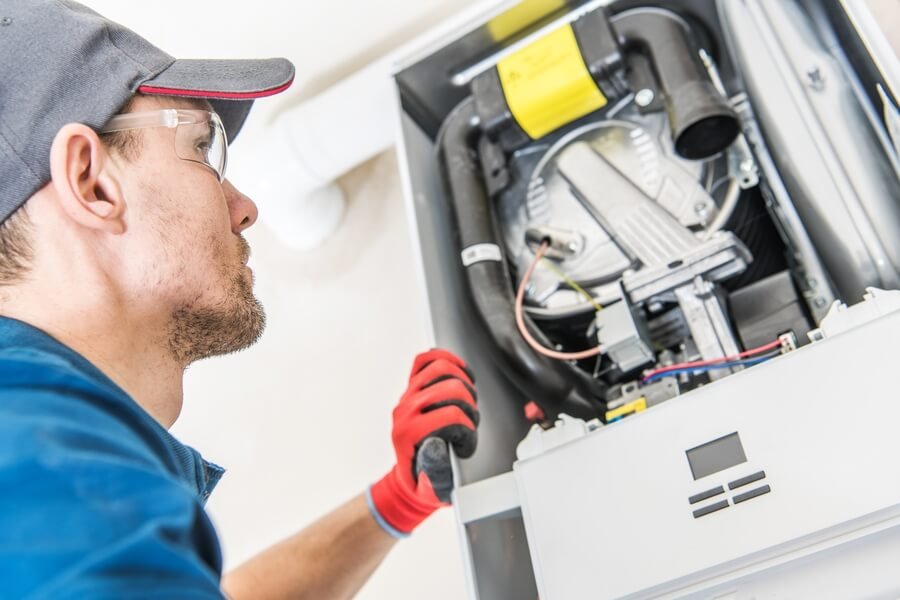
Professional installation, on the other hand, ensures that the job is done correctly and safely. Licensed plumbers have the expertise and experience to handle the installation efficiently and in compliance with local building codes. They also have the necessary tools and equipment to complete the job properly. While hiring a professional adds to the overall cost, it provides peace of mind and can prevent costly mistakes.
Additionally, many water heater manufacturers require professional installation for their warranties to remain valid. If you install the unit yourself and encounter issues, you may void the warranty and be responsible for any repairs or replacements. Considering the potential risks and the importance of having a reliable hot water supply, professional installation is often the best choice for most homeowners.
Financing Options for Water Heater Replacement
Replacing a water heater can be a significant expense, and not everyone has the budget to pay for it upfront. Fortunately, there are several financing options available to help homeowners manage the cost. One common option is to use a credit card. Many credit cards offer promotional financing with 0% interest for a certain period, allowing you to spread out the payments without incurring additional interest. However, it’s important to pay off the balance within the promotional period to avoid high-interest charges.
Another option is to apply for a personal loan. Personal loans can provide a lump sum of money that you can use for the water heater replacement, and they typically have fixed interest rates and monthly payments. These loans are available from banks, credit unions, and online lenders. It’s important to compare loan terms and interest rates to find the best option for your financial situation.
Home equity loans and lines of credit (HELOCs) are also viable options for financing a water heater replacement. These loans use your home’s equity as collateral, which can result in lower interest rates compared to unsecured loans. However, they also carry the risk of foreclosure if you fail to make the payments. Additionally, some utility companies and government programs offer rebates or financing options for energy-efficient water heaters. Check with your local utility company to see if any incentives are available in your area.
Conclusion: Making an Informed Decision
Replacing a water heater is a significant investment, but understanding the costs and factors involved can help you make an informed decision. By considering the type of water heater, its size, energy efficiency, and installation requirements, you can choose a unit that meets your needs and budget. It’s also important to factor in additional expenses such as disposal fees, potential upgrades, and extended warranties.
While a DIY approach may seem cost-effective, professional installation ensures that the job is done safely and correctly, protecting your investment and providing peace of mind. Exploring financing options can also make the cost more manageable, allowing you to spread out the payments over time.
Ultimately, the key to a successful water heater replacement is thorough research and planning. By understanding the costs and options available, you can ensure that you choose the right water heater for your home and avoid unexpected expenses. Whether you’re replacing an old unit or upgrading to a more efficient model, making an informed decision will help you enjoy reliable hot water and potentially save money in the long run.