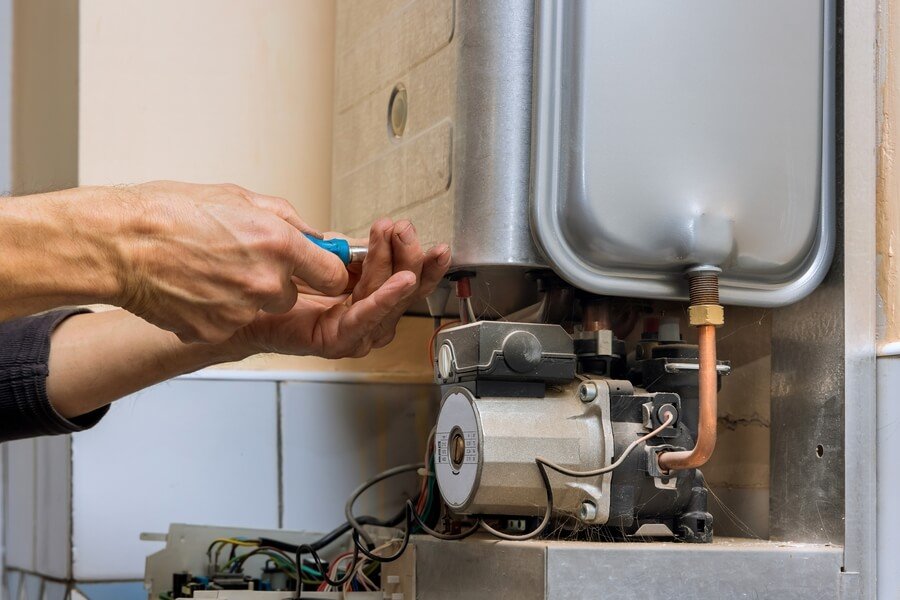
Is your tankless water heater acting up? Knowing when to call a plumber can save you time and money. Discover the signs that signal it’s time for professional repair.
Understanding Tankless Water Heaters
Tankless water heaters, often referred to as on-demand water heaters, are a modern solution designed to provide hot water only when needed. Unlike traditional water heaters that store and constantly heat a large tank of water, tankless systems heat water directly as it flows through the unit. This technology not only reduces energy consumption but also ensures a virtually endless supply of hot water, making it a popular choice among homeowners.
The operation of a tankless water heater is relatively simple. When a hot water tap is turned on, cold water travels through the unit. An electric element or gas burner heats the water as it passes through, delivering hot water almost instantaneously. Because of their efficiency and compact size, tankless water heaters have gained popularity in both residential and commercial settings.
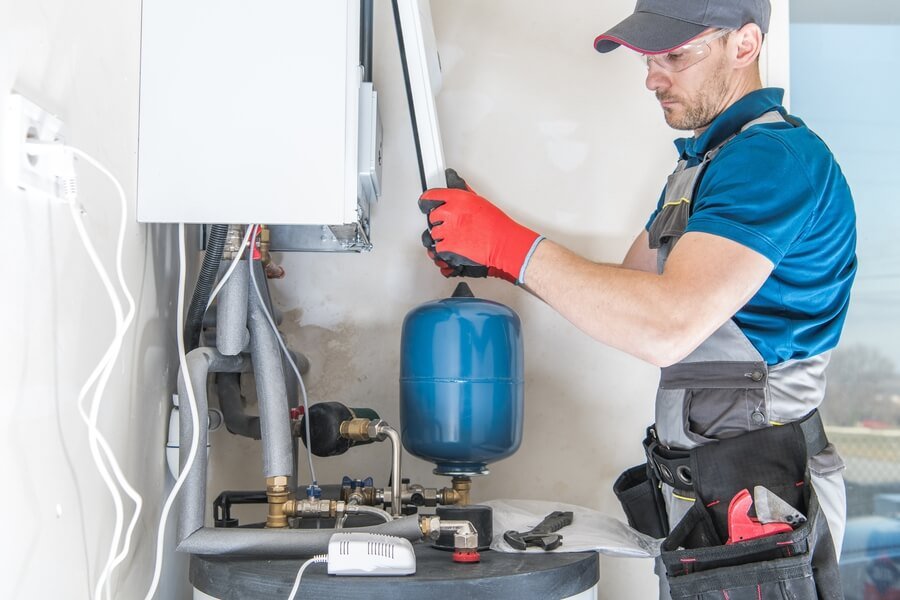
Despite their advantages, tankless water heaters are not without their challenges. Understanding how they function and recognizing potential issues can help you maintain your system and know when it’s time to call a professional for repairs. In the following sections, we’ll explore common problems, troubleshooting tips, and the importance of regular maintenance to keep your tankless water heater running smoothly.
Common Issues with Tankless Water Heaters
Like any appliance, tankless water heaters can encounter problems that disrupt their performance. One common issue is mineral buildup, particularly in areas with hard water. Over time, minerals such as calcium and magnesium can accumulate inside the unit, reducing its efficiency and potentially damaging components. Regular descaling can mitigate this problem, but if left unchecked, it may require professional intervention.
Another frequent problem is a lack of hot water, which can be frustrating, especially during peak usage times. This issue can stem from various causes, including a clogged filter, a malfunctioning heating element, or an undersized unit that can’t meet your household’s hot water demands. Diagnosing the exact cause often requires a professional’s expertise to avoid further complications.
Additionally, error codes displayed on the unit can indicate various issues, from ignition failures to ventilation problems. These codes are designed to help you and your plumber identify and address specific problems quickly. However, interpreting these codes can be challenging without proper knowledge, making it essential to consult a professional when they appear.
Signs You Need to Call a Plumber
Recognizing the signs that indicate it’s time to call a plumber can prevent minor issues from escalating into major repairs. One of the most apparent signs is fluctuating water temperature. If you notice that your hot water supply is inconsistent, cycling between hot and cold, it could indicate a problem with the heating elements or internal sensors that require professional attention.
Another clear sign is a significant drop in water pressure when using hot water. This could be due to a clogged filter or mineral buildup within the unit, both of which require specialized tools and knowledge to resolve. Attempting to fix these issues on your own could lead to further damage and costly repairs.
Unusual noises emanating from the unit, such as banging or knocking sounds, also warrant a call to a plumber. These noises can indicate various problems, from loose components to more severe issues like internal scaling. A professional can diagnose the source of the noise and perform the necessary repairs to prevent further damage.
DIY Troubleshooting Tips for Tankless Water Heaters
Before calling a plumber, there are a few troubleshooting steps you can take to address minor issues. Start by checking the power supply to ensure the unit is receiving electricity or gas. For electric models, confirm that the circuit breaker hasn’t tripped. For gas models, ensure the gas supply valve is open and that there are no obstructions in the venting system.
Next, inspect the water filter for any debris or buildup. A clogged filter can restrict water flow and cause performance issues. Cleaning or replacing the filter is a straightforward task that can often resolve minor problems. Refer to your unit’s manual for specific instructions on accessing and maintaining the filter.
If you’re experiencing error codes, consult the manual to understand their meanings. Some issues, such as a reset or minor adjustments, can be handled without professional help. However, if the error persists or you’re unsure how to proceed, it’s best to contact a plumber to avoid causing further damage to the unit.
The Importance of Regular Maintenance
Regular maintenance is crucial for ensuring the longevity and efficiency of your tankless water heater. Routine tasks, such as descaling to remove mineral buildup, can prevent many common issues and improve the unit’s performance. Depending on your water quality, descaling may be necessary every six months to two years.
Additionally, annual inspections by a professional plumber can help identify potential problems before they become serious. During these inspections, the plumber can check for signs of wear and tear, clean components, and perform any necessary adjustments to keep the unit running smoothly. This proactive approach can save you money in the long run by preventing costly repairs and extending the life of your water heater.
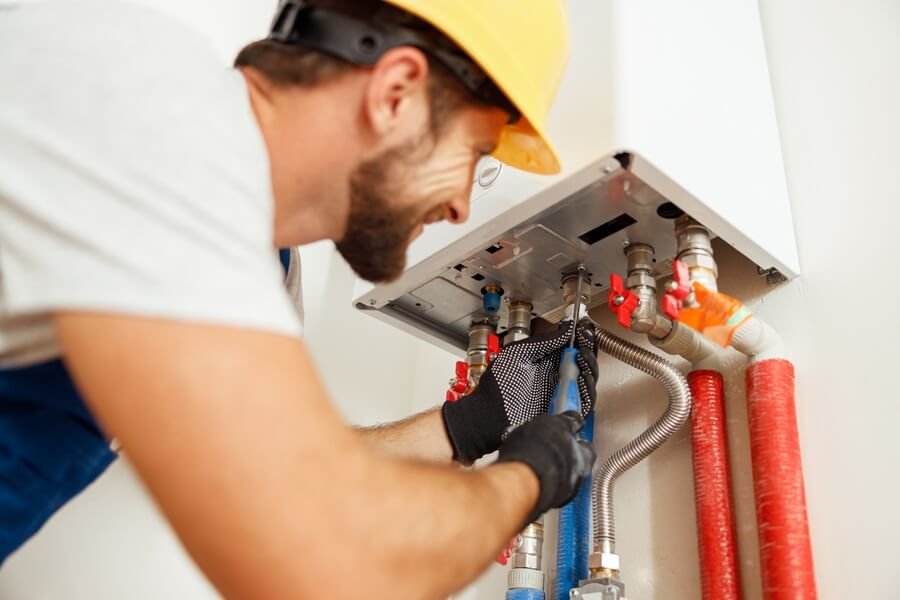
Regular maintenance also includes checking and replacing the unit’s anode rod, if applicable. The anode rod helps prevent corrosion inside the unit, protecting it from rust and other damage. Replacing the anode rod as needed ensures the internal components remain in good condition, further extending the system’s lifespan.
How to Choose the Right Plumber
Choosing the right plumber for your tankless water heater repair is essential to ensure the job is done correctly and efficiently. Start by researching local plumbers who specialize in tankless water heaters. Experience and expertise with these specific systems are crucial, as they differ significantly from traditional water heaters.
Check online reviews and ask for recommendations from friends, family, or neighbors who have had similar repairs done. Positive feedback and satisfied customers are good indicators of a plumber’s reliability and quality of work. Additionally, ensure the plumber is licensed and insured, as this provides protection for both you and the plumber in case of any accidents or damages during the repair process.
When contacting potential plumbers, ask for estimates and compare prices. While cost is an important factor, it shouldn’t be the only consideration. Look for a balance between affordability and quality, and don’t hesitate to ask about warranties or guarantees on their work. A reputable plumber will stand behind their services and ensure your satisfaction.
Cost Factors for Tankless Water Heater Repair
Several factors influence the cost of tankless water heater repairs, ranging from the complexity of the issue to the plumber’s expertise. Simple repairs, such as replacing a filter or resetting the unit, are typically less expensive than more complex tasks like fixing a faulty heating element or addressing significant internal damage.
The brand and model of your tankless water heater can also affect repair costs. Some brands may have more expensive replacement parts or require specialized knowledge to service. Additionally, if your unit is older or no longer under warranty, you may incur higher costs for parts and labor.
Geographic location can also impact repair costs. Plumbers in urban areas or regions with a higher cost of living may charge more for their services than those in rural areas. While it’s essential to consider these factors, remember that investing in quality repairs can save you money in the long run by preventing recurring issues and extending the life of your water heater.
Questions to Ask Your Plumber
When hiring a plumber for your tankless water heater repair, asking the right questions can help ensure you’re making an informed decision. Start by inquiring about their experience with tankless water heaters. Knowing they have the necessary expertise to handle your specific unit can give you peace of mind.
Ask about the estimated cost of the repair and what it includes. A detailed estimate should cover labor, parts, and any additional fees. Understanding the breakdown of costs can help you budget accordingly and avoid any unexpected expenses.
Additionally, inquire about the warranty or guarantee on their work. A reputable plumber will offer a warranty on both parts and labor, ensuring you’re covered if any issues arise after the repair. Finally, ask for references or reviews from previous customers to gauge their reliability and quality of work.
Preventive Measures to Avoid Future Repairs
Implementing preventive measures can help you avoid future repairs and extend the life of your tankless water heater. One of the most effective steps is installing a water softener if you live in an area with hard water. A water softener reduces mineral buildup, which is a common cause of many tankless water heater issues.
Regularly cleaning or replacing the unit’s filter is another crucial preventive measure. A clean filter ensures optimal water flow and prevents debris from causing internal damage. Additionally, scheduling annual professional inspections can help identify and address potential problems before they become significant issues.
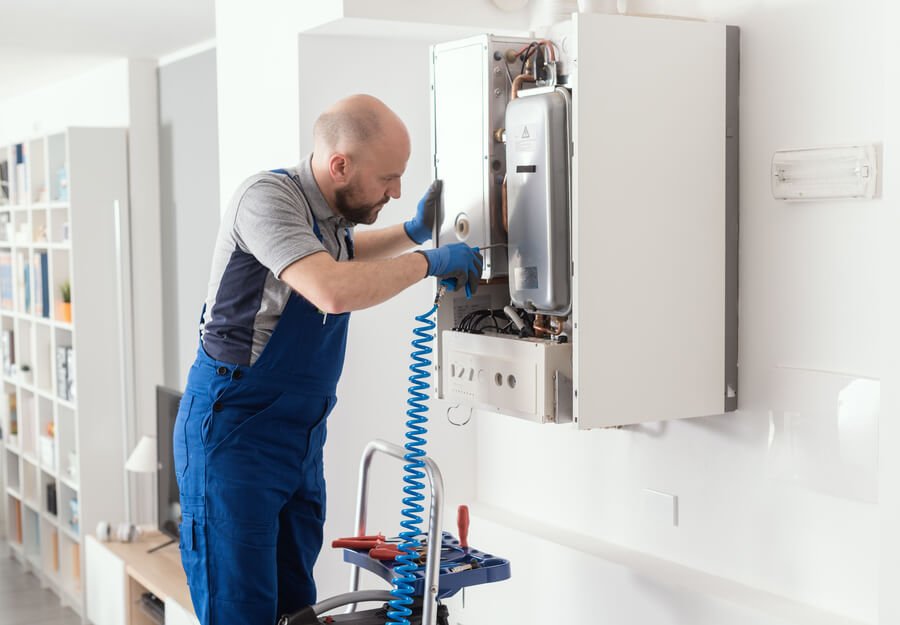
Finally, educate your household members on proper usage of the tankless water heater. Avoiding simultaneous high-demand activities, such as running multiple hot water appliances at once, can prevent the unit from becoming overworked and reduce the risk of malfunctions. By taking these proactive steps, you can enjoy a reliable and efficient hot water supply for years to come.
Conclusion: When to Seek Professional Help
Knowing when to call a plumber for your tankless water heater repair can save you time, money, and frustration. Recognizing the signs of potential issues, such as fluctuating water temperature, reduced water pressure, and unusual noises, is crucial for timely intervention. While some minor problems can be addressed with DIY troubleshooting, more complex issues require the expertise of a professional plumber.
Regular maintenance, including descaling and annual inspections, plays a vital role in preventing common problems and extending the life of your water heater. Choosing the right plumber, asking the right questions, and understanding the cost factors involved can ensure you receive quality repairs at a fair price.
By implementing preventive measures and staying vigilant for signs of trouble, you can enjoy the benefits of a tankless water heater without the hassle of frequent repairs. When in doubt, don’t hesitate to seek professional help to keep your system running smoothly and efficiently.