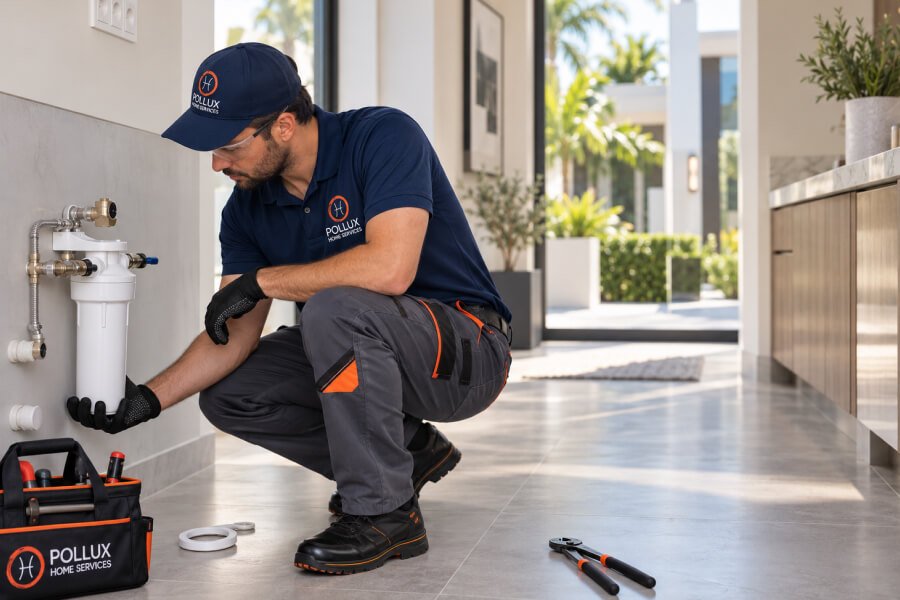
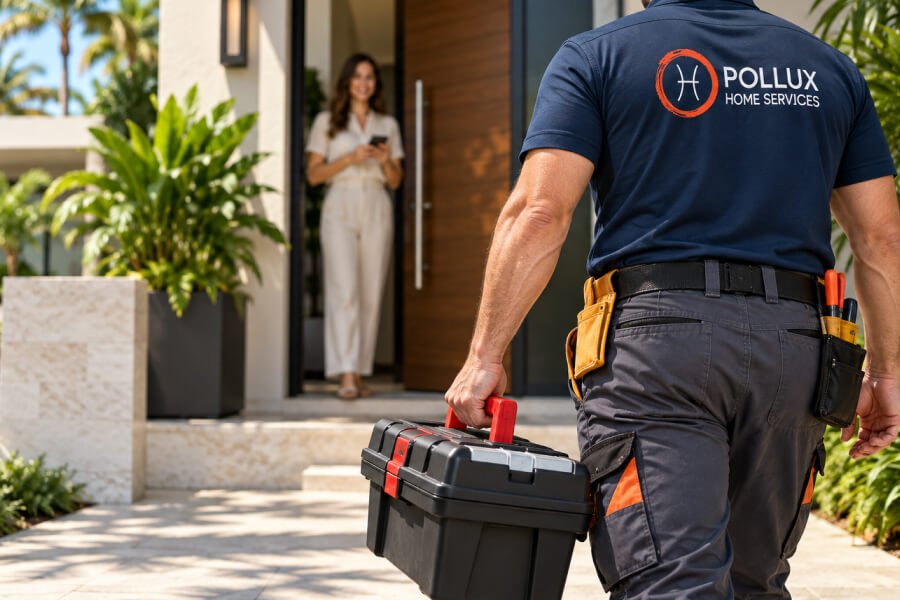
Deciding between DIY and professional leak detection? Explore the costs, essential tools, and the right time to call a plumber for your home’s safety.
Understanding Leak Detection: An Overview
Leak detection is an essential aspect of home maintenance that ensures the integrity of your plumbing system. Whether it’s a minor drip or a significant burst, identifying leaks early can prevent extensive damage to your property. Leaks can occur in various parts of your plumbing system, including pipes, faucets, toilets, and even underground. The process of leak detection involves identifying the source of the leak and assessing the extent of the damage to implement appropriate repairs.
Homeowners often face the challenge of deciding between tackling leak detection on their own or hiring a professional. DIY leak detection can be appealing due to its potential cost savings and the satisfaction of solving the problem yourself. However, it requires a certain level of knowledge and the right tools to be effective. On the other hand, professional leak detection services offer expertise and advanced equipment that can pinpoint leaks with precision.
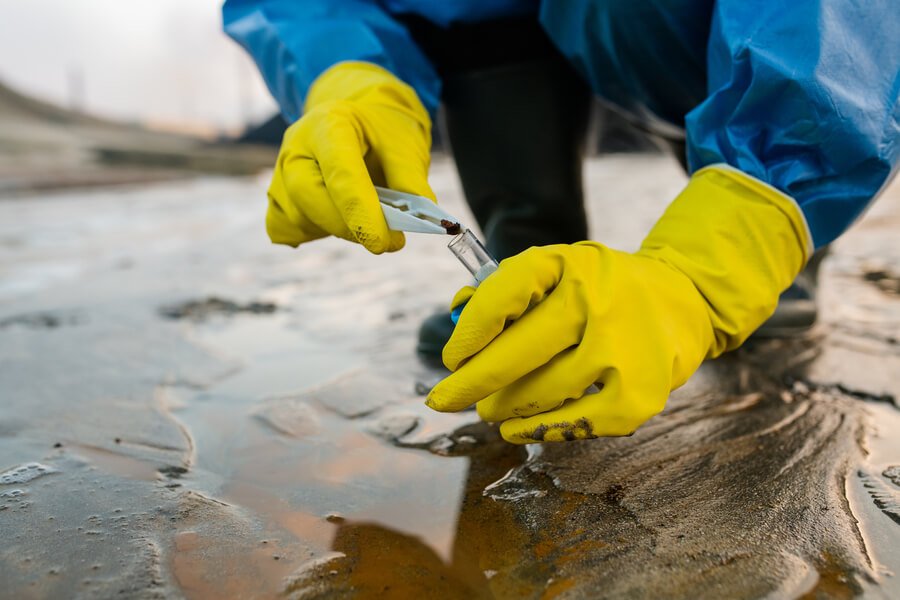
Understanding the basics of leak detection can help you make informed decisions about how to address issues in your home. Knowing the signs of leaks, the tools required for detection, and the costs involved can guide you in choosing the best approach for your situation. Whether you opt for a DIY method or seek professional assistance, timely leak detection is crucial for maintaining the safety and functionality of your home.
The Importance of Timely Leak Detection
Timely leak detection is vital for several reasons, the foremost being the prevention of water damage. Water damage can compromise the structural integrity of your home, leading to costly repairs. When leaks are left undetected, they can cause mold growth, wood rot, and even damage to your foundation. By identifying and addressing leaks early, you can avoid these severe consequences and protect your property.
Moreover, undetected leaks can lead to significant water wastage, resulting in higher utility bills. Even small leaks can waste gallons of water over time, impacting your household’s water consumption and increasing your expenses. Timely detection and repair of leaks can help you conserve water and reduce your bills, contributing to environmental sustainability and financial savings.
Health risks are another critical factor to consider. Leaks can create damp environments that promote the growth of mold and mildew, which can negatively affect indoor air quality. Mold spores can trigger allergies and respiratory issues, posing a health risk to your family. By addressing leaks promptly, you can maintain a healthy living environment and ensure the well-being of your household members.
DIY Leak Detection: Tools and Techniques
For homeowners who prefer a hands-on approach, DIY leak detection can be a feasible option. There are several tools and techniques that can help you identify leaks in your plumbing system. One of the most common tools is a water meter. By monitoring the water meter readings, you can detect unusual water usage that may indicate a leak. To use this method, turn off all water sources in your home and check the meter. If the reading changes, it suggests a potential leak.
Another useful tool is a leak detection dye. This dye can be added to your toilet tank to check for leaks in the toilet bowl. If the dye seeps into the bowl without flushing, it indicates a leak in the toilet’s flapper or valve. Similarly, you can use food coloring to detect leaks in other areas, such as sinks and bathtubs. Place a few drops of food coloring in the water and observe if it appears in the surrounding areas without usage.
Acoustic leak detectors are also available for DIY enthusiasts. These devices amplify the sound of water escaping from pipes, helping you locate the source of the leak. They are particularly useful for detecting hidden leaks behind walls or underground. Additionally, infrared cameras can be used to identify temperature differences caused by water leaks. These cameras are effective in detecting leaks in hard-to-reach areas and provide a visual representation of the affected areas.
Costs Involved in DIY Leak Detection
While DIY leak detection can save money on professional services, it does involve certain costs. Investing in quality tools is essential for accurate detection and effective repairs. Basic tools like water meters and leak detection dyes are relatively inexpensive, typically ranging from $10 to $50. These tools are readily available at hardware stores and can be used multiple times, making them a cost-effective option for minor leaks.
However, more advanced tools such as acoustic leak detectors and infrared cameras come with a higher price tag. Acoustic leak detectors can cost anywhere from $100 to $500, depending on the model and features. Infrared cameras are even more expensive, with prices ranging from $300 to over $1,000. While these tools provide precise detection, their high cost may not be justifiable for occasional use by homeowners.
In addition to the cost of tools, you should also consider the potential expenses associated with repairing the detected leaks. DIY repairs may require purchasing replacement parts, sealants, or other materials. These costs can vary depending on the extent of the damage and the type of plumbing system in your home. While DIY leak detection can be cost-effective for minor issues, it’s important to weigh the overall expenses and the time and effort required for effective repairs.
When to Consider Professional Leak Detection Services
While DIY leak detection can be effective for minor leaks, there are situations where professional services are the better choice. If you lack experience with plumbing systems, attempting to detect and repair leaks on your own can lead to further damage and higher repair costs. Professional plumbers have the expertise and training to accurately diagnose and address complex plumbing issues, ensuring that the problem is resolved correctly.
Another scenario where professional services are recommended is when dealing with hidden or underground leaks. These leaks can be challenging to detect without specialized equipment and knowledge. Professional leak detection companies use advanced tools such as ground microphones, thermal imaging cameras, and video inspection equipment to locate leaks that are not visible to the naked eye. Their expertise allows them to pinpoint the exact location of the leak, minimizing the need for extensive digging or demolition.
It’s also advisable to call a professional if you notice multiple signs of water damage, such as mold growth, damp spots, or a sudden increase in your water bill. These indicators may suggest a severe or widespread leak that requires immediate attention. Professional plumbers can quickly assess the situation and implement the necessary repairs to prevent further damage. By relying on their skills and equipment, you can ensure that the leak is thoroughly addressed and your home is protected.
Comparing Costs: DIY vs. Professional Services
When comparing the costs of DIY leak detection and professional services, it’s essential to consider both the short-term and long-term expenses. DIY leak detection can be cost-effective for minor issues, as it eliminates labor costs and allows you to use readily available tools. However, the initial investment in tools and materials can add up, especially if you need advanced equipment for accurate detection.
On the other hand, professional leak detection services come with a higher upfront cost due to labor charges and the use of specialized equipment. The average cost of hiring a professional plumber for leak detection ranges from $150 to $500, depending on the complexity of the job and the location of the leak. While this may seem expensive, professional services offer the advantage of accurate diagnosis and efficient repairs, potentially saving you money on future repairs and water damage.
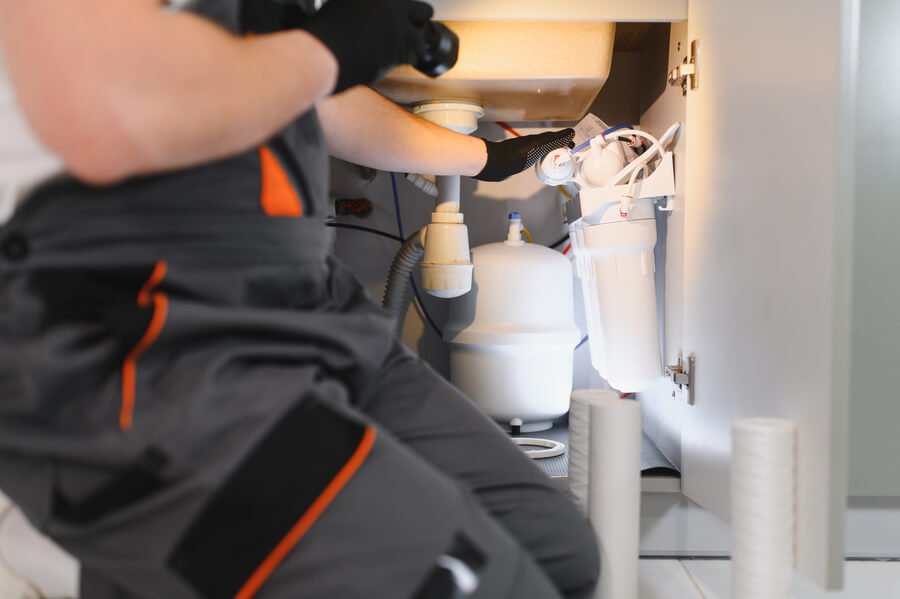
Additionally, professional plumbers often provide warranties for their work, giving you peace of mind that the issue will be resolved correctly. DIY repairs, on the other hand, do not come with such guarantees, and any mistakes made during the process can lead to further expenses. When considering the overall costs, it’s important to factor in the potential risks and benefits of each approach to make an informed decision.
The Benefits of Hiring a Professional Plumber
Hiring a professional plumber for leak detection offers several benefits that can outweigh the initial costs. One of the primary advantages is the expertise and experience that professionals bring to the table. Plumbers undergo extensive training and have hands-on experience with various plumbing systems and leak detection methods. Their knowledge allows them to quickly identify the source of the leak and implement effective solutions.
Professional plumbers also have access to advanced tools and equipment that are not typically available to homeowners. These tools, such as thermal imaging cameras, ground microphones, and video inspection equipment, enable precise detection of hidden leaks. By using these tools, professionals can accurately locate leaks without causing unnecessary damage to your property. This level of precision ensures that the problem is addressed efficiently and effectively.
Another benefit of hiring a professional is the comprehensive services they offer. In addition to leak detection, plumbers can perform necessary repairs and maintenance to prevent future leaks. They can also provide valuable advice on how to maintain your plumbing system and avoid common issues. By relying on professional services, you can ensure that your plumbing system is in optimal condition and reduce the risk of future leaks and water damage.
Common Signs of Plumbing Leaks You Shouldn’t Ignore
Being aware of the common signs of plumbing leaks can help you detect issues early and take prompt action. One of the most noticeable signs is a sudden increase in your water bill. If your water usage has not changed significantly, but your bill is higher than usual, it may indicate a hidden leak. Monitoring your water bill regularly can help you identify potential leaks before they cause extensive damage.
Another common sign of a plumbing leak is the presence of damp or wet spots on walls, ceilings, or floors. These spots may indicate a leak behind the surface that is seeping through. Pay attention to any discoloration, peeling paint, or wallpaper, as these can also be indicators of water damage. If you notice any of these signs, it’s important to investigate further to determine the source of the leak.
Unusual sounds of running water or dripping can also signal a leak. If you hear the sound of water when no faucets or appliances are in use, it may indicate a hidden leak in your plumbing system. Additionally, a musty odor or the presence of mold and mildew can suggest a leak. Damp environments created by leaks provide an ideal breeding ground for mold, which can spread quickly and cause health issues. Addressing these signs promptly can help you prevent further damage and maintain a healthy living environment.
How to Choose the Right Leak Detection Service
Choosing the right leak detection service is crucial for ensuring that the issue is resolved efficiently and effectively. Start by researching local plumbing companies and reading reviews from previous customers. Look for companies with a good reputation for quality work and reliable service. Recommendations from friends, family, or neighbors can also be valuable in finding a reputable plumber.
When selecting a leak detection service, consider the company’s experience and expertise. Look for plumbers who are licensed and insured, as this ensures that they have the necessary qualifications and coverage in case of any accidents or damages. Experienced plumbers are more likely to accurately diagnose and repair leaks, minimizing the risk of further issues.
It’s also important to inquire about the tools and methods the company uses for leak detection. Advanced equipment, such as thermal imaging cameras and ground microphones, can provide more accurate results. Ask about the company’s approach to leak detection and repair to ensure that they use effective and minimally invasive techniques. Additionally, request a detailed estimate of the costs involved, including any potential additional charges, to avoid surprises later on.
Conclusion: Making the Right Choice for Your Leak Detection Needs
Deciding between DIY and professional leak detection ultimately depends on the specific circumstances of your situation. DIY methods can be cost-effective and satisfactory for minor leaks and simple repairs, provided you have the necessary tools and knowledge. However, for complex or hidden leaks, professional services offer the expertise and advanced equipment needed for accurate detection and effective repairs.
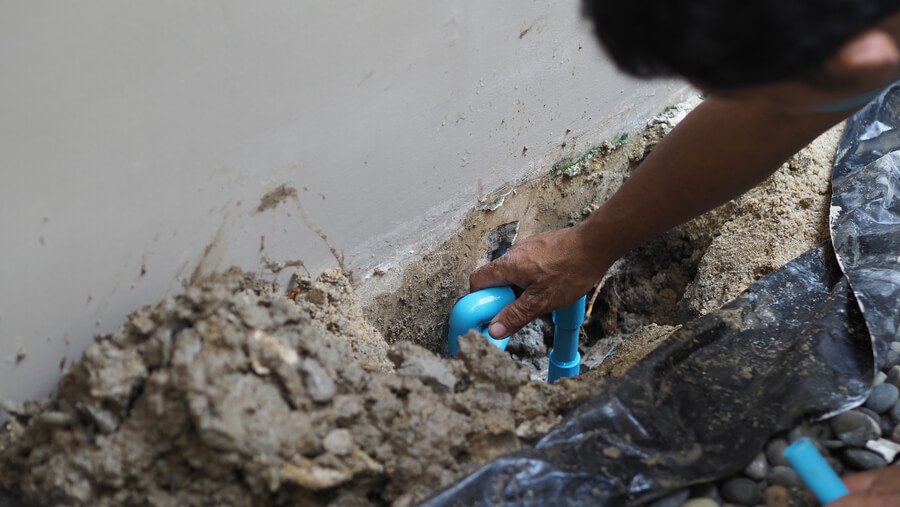
Timely leak detection is essential for preventing water damage, conserving water, and maintaining a healthy living environment. By understanding the costs, tools, and techniques involved in both DIY and professional leak detection, you can make an informed decision that best suits your needs. Whether you choose to tackle the issue yourself or hire a professional plumber, addressing leaks promptly is key to protecting your home and ensuring the longevity of your plumbing system.