
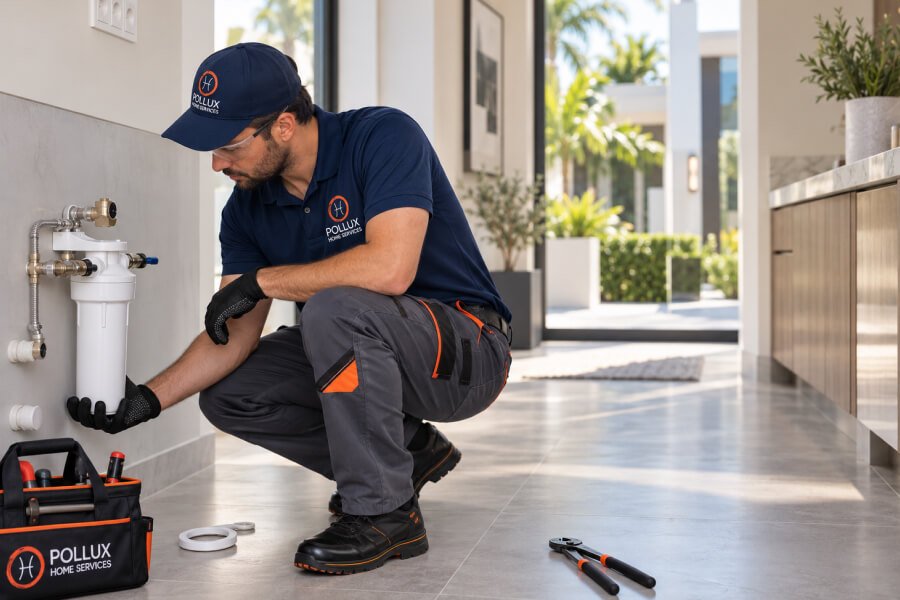
Discover how whole-house water filtration systems work and find the perfect solution for pure, safe water in your Florida home. Enjoy cleaner living today!
Why Water Filtration is Essential for Florida Homes
Florida’s unique geography comes with its own set of challenges, especially when it comes to water quality. The state is surrounded by saltwater on three sides, and its extensive network of rivers, lakes, and underground springs can introduce various contaminants into the drinking water supply. This makes water filtration not just a luxury, but a necessity for every Florida homeowner. Without proper filtration, residents might be exposed to harmful substances that can affect their health and well-being.
One of the primary concerns in Florida is the presence of hard water. This term refers to water that contains high levels of minerals like calcium and magnesium. Hard water can lead to a variety of issues including scaling on pipes, appliances, and fixtures. It can also make it difficult to get a good lather from soaps and shampoos, leading to skin irritation and dull hair. More importantly, ingesting these minerals in high quantities over a prolonged period can have health repercussions.
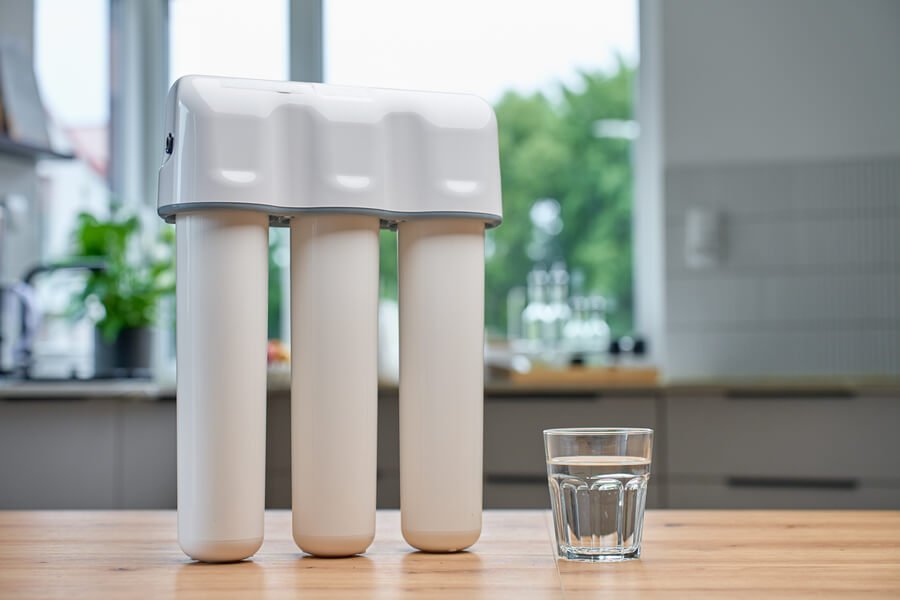
Apart from hard water, Florida’s water can also be contaminated with various chemicals and pollutants. Agricultural runoff, industrial waste, and even residential waste can introduce harmful substances into the water supply. These contaminants can include pesticides, heavy metals like lead and mercury, and even pharmaceuticals. Consuming or coming into contact with these substances can lead to serious health issues, making it imperative to have a reliable water filtration system in place.
How Whole-House Water Filtration Systems Work
Whole-house water filtration systems are designed to treat all the water that enters your home. Unlike point-of-use filters that only treat water at a single location, these systems provide filtered water to every faucet, shower, and appliance in your house. The process begins at the point where water enters your home, ensuring that every drop is clean and safe for use.
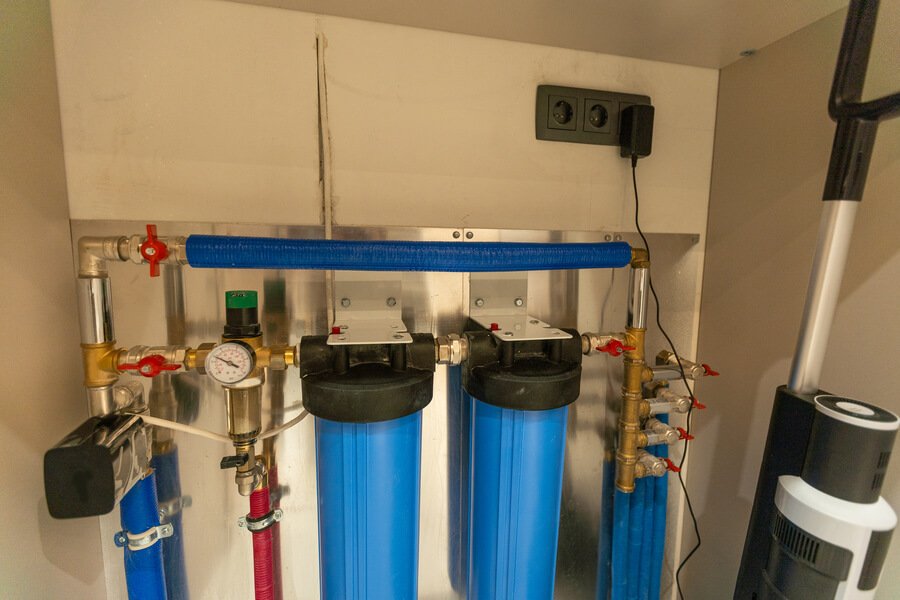
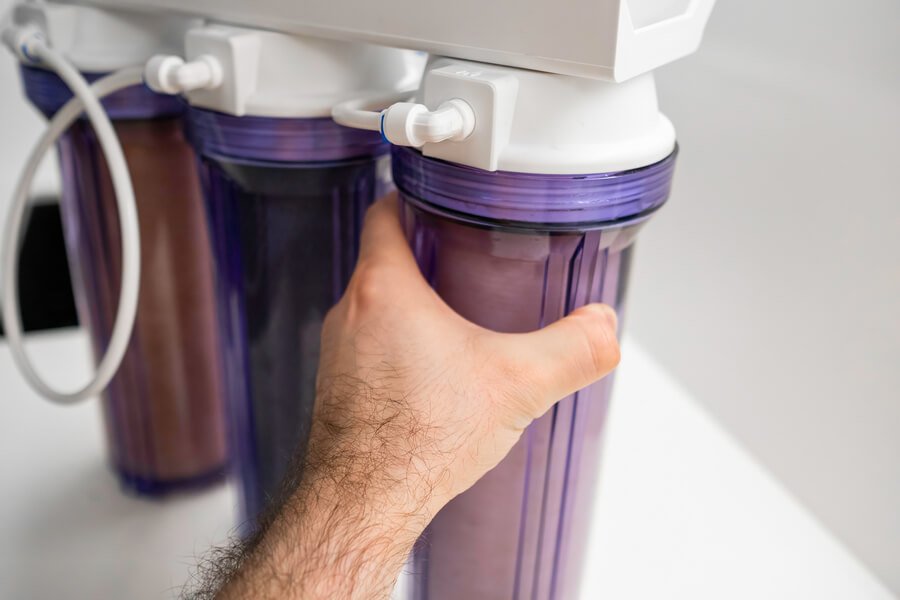
The filtration process typically involves multiple stages, each designed to target specific types of contaminants. The first stage is usually a sediment filter, which removes large particles like sand, dirt, and rust. This not only improves the clarity of the water but also protects the subsequent filters from clogging. Following this, an activated carbon filter is commonly used to remove chlorine, pesticides, and other organic chemicals. Activated carbon is highly effective at absorbing these substances, making your water safer and more pleasant to use.
Some advanced systems also include additional filtration stages, such as a water softener to tackle hard water issues or a UV filter to kill bacteria and viruses. These extra stages provide an added layer of protection, ensuring that your water is not only free from contaminants but also safe from microbial threats. By the time the water reaches your faucets and appliances, it has been thoroughly cleaned and purified, providing you with peace of mind and better quality water.
Types of Whole-House Water Filtration Systems
When it comes to whole-house water filtration systems, there are several types to choose from, each offering different levels of filtration and specific benefits. Understanding the various types can help you make an informed decision that best suits your needs and budget.
The most common type is the activated carbon system. These systems are highly effective at removing chlorine, volatile organic compounds (VOCs), and other chemical contaminants. They are relatively affordable and easy to maintain, making them a popular choice for many homeowners. However, they might not be as effective at removing inorganic contaminants like heavy metals or microorganisms.
Reverse osmosis (RO) systems offer a more comprehensive level of filtration. These systems use a semi-permeable membrane to remove a wide range of contaminants, including heavy metals, nitrates, and bacteria. While highly effective, RO systems can be more expensive and require more maintenance compared to activated carbon systems. They also tend to produce wastewater, which can be a consideration in areas with water restrictions.
Another option is the UV (ultraviolet) purification system. These systems use UV light to kill bacteria, viruses, and other microorganisms. While UV systems are excellent for microbial purification, they do not remove chemical contaminants or particulates. Therefore, they are often used in conjunction with other filtration methods for a more comprehensive solution. By understanding the different types of whole-house water filtration systems, you can choose the one that best meets your specific needs.
Key Features to Look for in a Water Filtration System
Choosing the right whole-house water filtration system involves considering a variety of features that can significantly impact its performance and suitability for your home. One of the most important features to look for is the filtration capacity, which indicates how much water the system can filter before needing a replacement. A higher capacity system will require less frequent maintenance, saving you time and effort.
Flow rate is another critical feature to consider. This measures how much water can pass through the filtration system at any given time, usually expressed in gallons per minute (GPM). A system with a low flow rate might not be able to provide sufficient water pressure for all your household needs, particularly if you have a large home or multiple bathrooms. Ensure that the system you choose can handle your household’s water demands without compromising on pressure.
Another vital feature is the type of contaminants the system can remove. Not all filtration systems are created equal, and some are better suited for specific types of contaminants. For example, if your primary concern is chlorine and chemical pollutants, an activated carbon filter may be sufficient. However, if you are also worried about heavy metals or bacteria, you might need a multi-stage system that includes reverse osmosis or UV purification. Understanding the specific contaminants in your water supply can help you choose the most effective system for your needs.
Benefits of Installing a Whole-House Water Filtration System
Installing a whole-house water filtration system offers numerous benefits, enhancing the quality of life for you and your family. One of the most immediate advantages is the improvement in water taste and odor. Filtered water is free from chlorine and other chemicals that can affect its flavor, making it more enjoyable to drink and cook with. This can also encourage your family to drink more water, promoting better hydration and overall health.
Another significant benefit is the protection it provides for your plumbing and appliances. Unfiltered water can contain minerals and sediments that cause scaling and corrosion in your pipes, water heater, and other appliances. Over time, this can lead to costly repairs and replacements. A whole-house water filtration system removes these harmful substances, extending the lifespan of your plumbing and appliances and saving you money in the long run.
Health and safety are perhaps the most compelling reasons to invest in a whole-house water filtration system. Contaminated water can pose serious health risks, particularly for vulnerable individuals such as children, the elderly, and those with compromised immune systems. By removing harmful bacteria, chemicals, and heavy metals, a whole-house filtration system ensures that your water is safe to drink, bathe in, and use for cooking. This peace of mind is invaluable, knowing that you are providing the best possible water quality for your family.
Common Contaminants in Florida Water and Their Effects
Florida’s water supply can be susceptible to a variety of contaminants, each with its own set of potential health risks. One of the most common issues is the presence of chlorine, which is often used by municipal water systems to disinfect water. While effective at killing bacteria and viruses, chlorine can react with organic matter in the water to form disinfection byproducts like trihalomethanes (THMs). Prolonged exposure to THMs has been linked to an increased risk of cancer and other health issues.
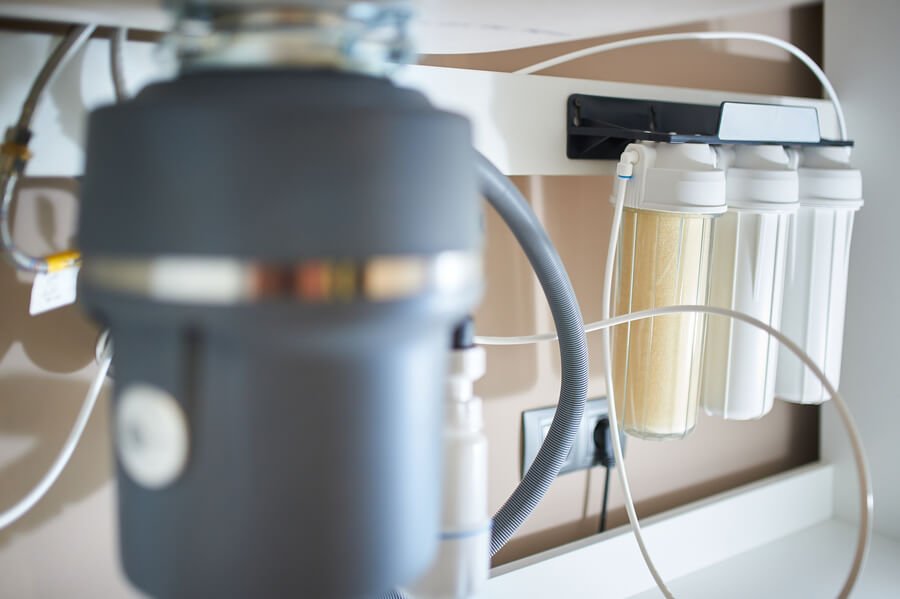
Heavy metals like lead and mercury can also be present in Florida’s water supply, particularly in older homes with outdated plumbing systems. Lead is a potent neurotoxin that can cause severe health problems, especially in children, including developmental delays and learning disabilities. Mercury exposure can affect the nervous system, leading to symptoms such as tremors, memory problems, and vision or hearing issues. Removing these heavy metals from your water supply is crucial for maintaining good health.
Agricultural runoff is another significant concern, introducing pesticides and fertilizers into the water supply. These chemicals can have various health effects, ranging from acute poisoning to long-term chronic conditions such as cancer and endocrine disruption. Nitrates, commonly found in fertilizers, can be particularly harmful to infants, causing a condition known as “blue baby syndrome,” which affects the oxygen-carrying capacity of the blood. Understanding the specific contaminants in your water can help you choose a filtration system that effectively addresses these risks.
How to Choose the Right Water Filtration System for Your Home
Selecting the right whole-house water filtration system for your home involves several key considerations. Start by conducting a water quality test to identify the specific contaminants present in your water supply. This will help you determine which type of filtration system will be most effective for your needs. You can either purchase a home testing kit or hire a professional to conduct a more comprehensive analysis.
Next, consider the size and layout of your home. Larger homes with multiple bathrooms and high water usage will require a filtration system with a higher flow rate and capacity. Ensure that the system you choose can handle your household’s demand without compromising on water pressure. Additionally, consider the space available for installation and whether the system can be easily integrated into your existing plumbing.
Budget is another crucial factor to consider. While it’s tempting to opt for the cheapest option, it’s essential to balance cost with performance and reliability. Look for systems that offer a good balance of upfront costs and long-term maintenance expenses. Reading customer reviews and seeking recommendations can provide valuable insights into the system’s performance and durability. By carefully evaluating these factors, you can choose a water filtration system that meets your specific needs and provides the best value for your investment.
Installation and Maintenance Tips for Water Filtration Systems
Proper installation and maintenance are crucial for ensuring the optimal performance and longevity of your whole-house water filtration system. While some homeowners may opt for professional installation, many systems are designed for easy DIY installation. If you choose to install the system yourself, carefully follow the manufacturer’s instructions and ensure that all connections are secure to prevent leaks.
Regular maintenance is essential to keep your filtration system functioning effectively. This typically involves replacing the filters at recommended intervals, which can vary depending on the type of system and the quality of your water. Sediment filters may need to be replaced every few months, while activated carbon filters and other components might last six months to a year. Keeping track of these schedules and setting reminders can help ensure that your system continues to provide clean, safe water.
In addition to regular filter replacements, it’s also important to periodically inspect the system for any signs of wear or damage. Check for leaks, corrosion, or any other issues that might affect the system’s performance. Addressing these issues promptly can prevent more significant problems down the line. By following these installation and maintenance tips, you can ensure that your whole-house water filtration system remains in top condition, providing you with the highest quality water for years to come.
Conclusion: Investing in Clean Water for Your Family
Investing in a whole-house water filtration system is one of the best decisions you can make for the health and well-being of your family. Florida’s water supply can be affected by a variety of contaminants, from chlorine and heavy metals to agricultural runoff and bacteria. A reliable filtration system ensures that all the water in your home is clean, safe, and free from harmful substances.
The benefits of a whole-house water filtration system extend beyond just health. Improved water taste and odor make drinking water more enjoyable, encouraging better hydration. Protecting your plumbing and appliances from scale and corrosion can save you money on repairs and replacements. Most importantly, the peace of mind that comes from knowing your family is protected from waterborne contaminants is invaluable.
Choosing the right system involves understanding your specific water quality issues, considering the size and needs of your home, and balancing cost with performance. With proper installation and regular maintenance, a whole-house water filtration system can provide you with clean, safe water for years to come. Make the investment in your family’s health and enjoy the many benefits of purified water in your Florida home.